Beyond Sensors and Towers: How AWOS is Powering Smart Infrastructure
Introduction
This is the first post on my blog, where I'll be sharing insights from my work at the intersection of telecommunications, IoT, and software systems.
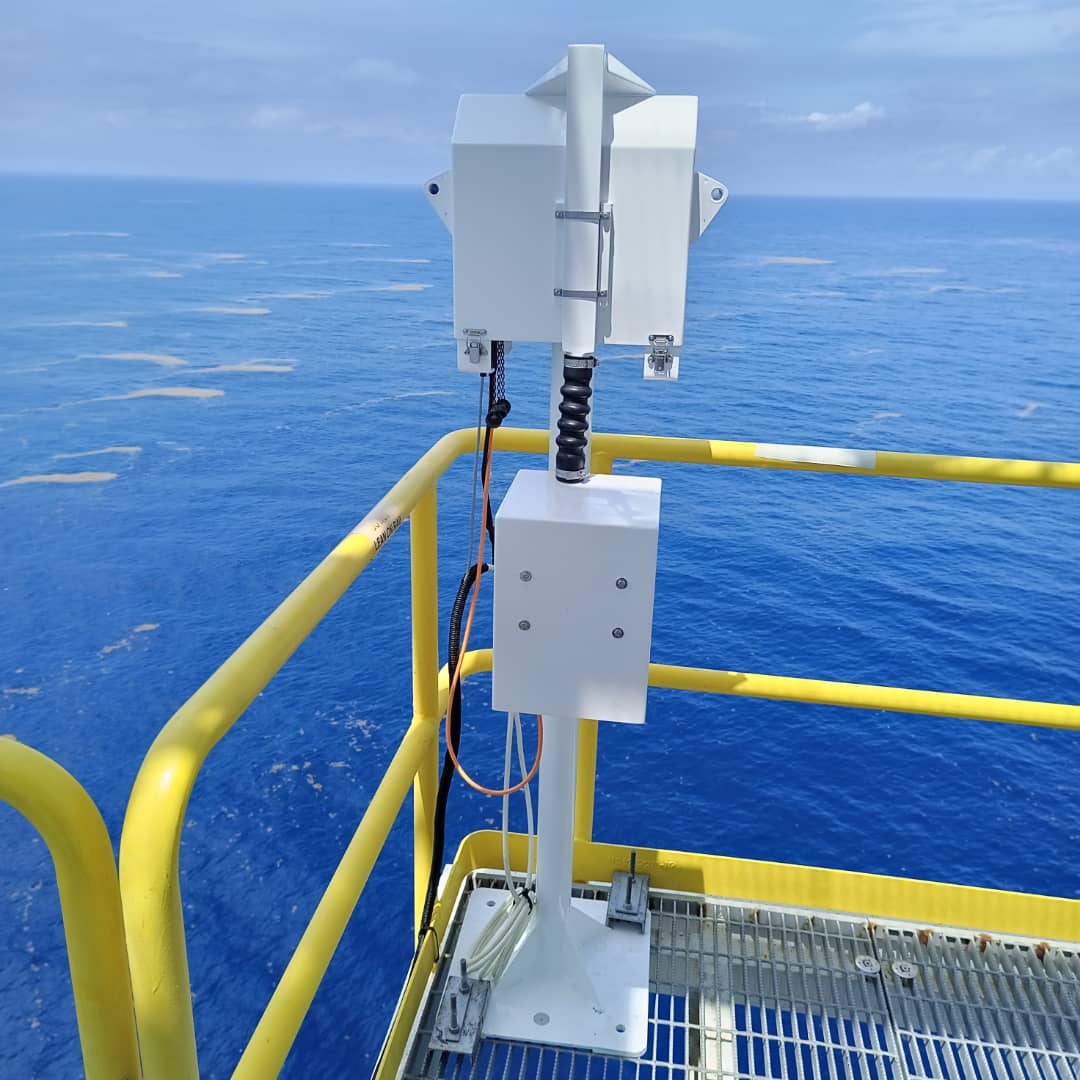
Over the years, I've worked on deploying and managing large-scale infrastructure like Automatic Weather Observation Systems (AWOS), and I've come to see them as more than just hardware. They are part of a larger shift toward intelligent, connected systems.
In this post, I'll share some practical insights and lessons from that journey.
What is AWOS and Why It Matters
Automatic Weather Observation Systems (AWOS) are designed to measure and report real-time environmental conditions such as wind speed, temperature, visibility, pressure, and rainfall.
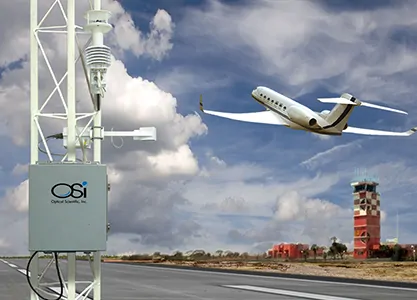
But in industries like aviation, oil and gas, and remote operations, weather data is not just informational; it is mission critical.
Wind conditions affect flight safety
Visibility impacts landing and logistics decisions
Rainfall and pressure influence offshore and field operations
A well designed AWOS doesn't just collect data; it supports real-time decision-making, safety, and operational efficiency.
From Equipment to Decision Support Systems
Traditionally, AWOS has been viewed as standalone equipment installed at a specific site.
In reality, modern deployments are evolving into connected systems that enable:
Centralized monitoring across multiple locations
Real-time alerts and notifications
Historical data analysis and reporting
Integration with operational workflows
This shift transforms AWOS from simple observation tools into decision support systems
The Real Challenge: System Integration
One of the biggest misconceptions about AWOS is that installation is mostly about mounting sensors and configuring devices.
In practice, the real challenge lies in systems integration.
You are working with:
High-precision environmental sensors
Power systems in harsh conditions
Telecoms Infrastructure (RF, IP networks)
Data transmission across long distances
Software platforms for visualization and monitoring
Ensuring that data moves reliably from a remote site to end users without loss, delay, or distortion is often the most complex part of the entire system.
Bridging the Gap with Software
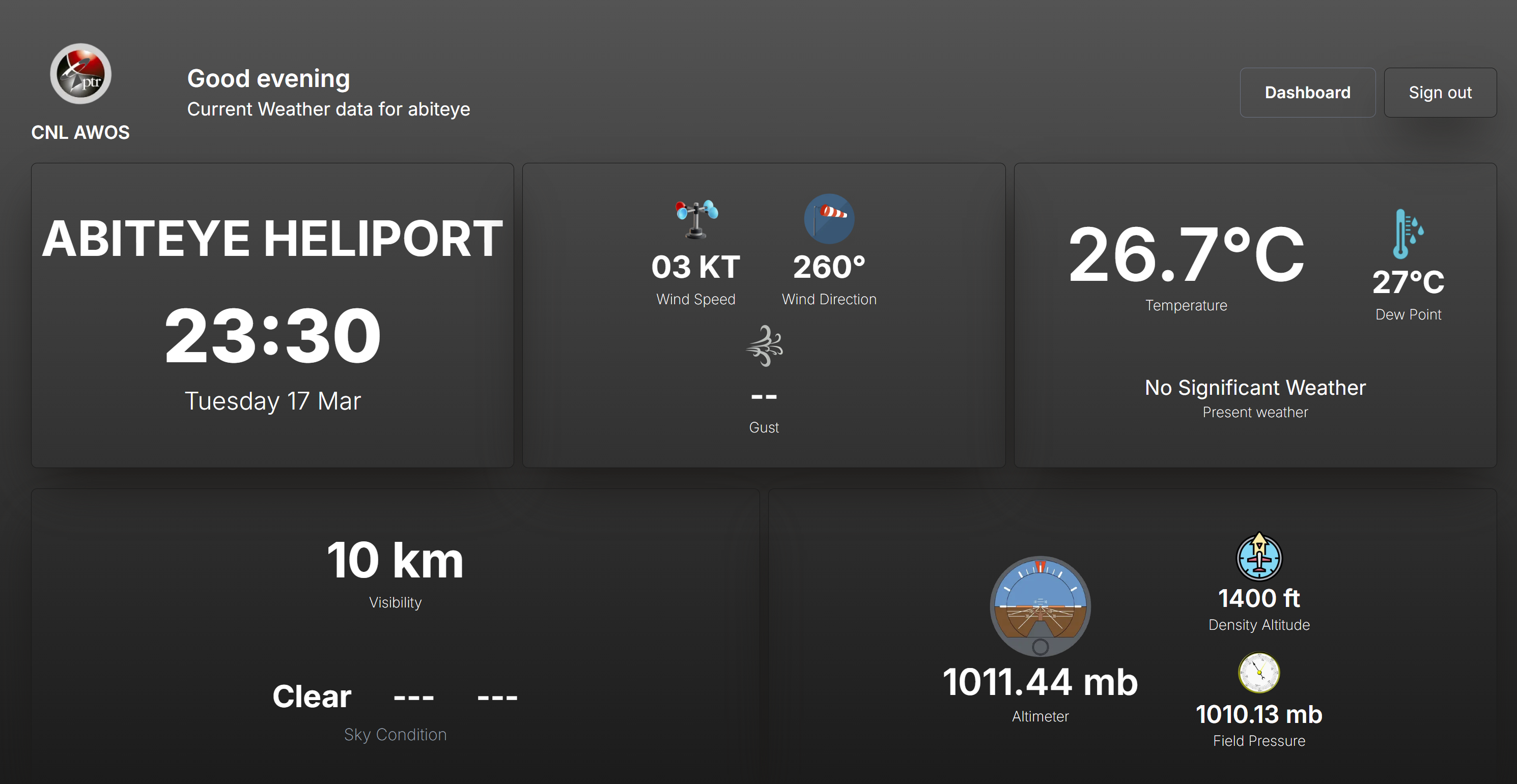
A major shift in my own work came when I started building software platforms to consume and visualize AWOS data.
Instead of data being locked within local systems, I developed web-based, real-time dashboards that made weather data accessible from anywhere.
This enabled:
Remote monitoring of multiple facilities
Better visibility for operations teams
faster, data-driven decision-making
Improved coordination across sites
This is where telecommunications and software truly intersect, turning raw sensor data into usable intelligence.
The Role of IoT and Cloud Systems
Modern AWOS deployments are increasingly part of a broader IoT ecosystem.
By connecting sensors to cloud platforms, organizations can:
Stream data in real time
Store and analyze large datasets
trigger automated alerts
Build scalable monitoring systems
Technologies like cloud computing, APIs, and real-time databases are now just as important as the physical instruments in the field.
What the Future Looks Like
The future of AWOS goes beyond observation. It is moving toward intelligent systems that can:
Detect patterns and anomalies
Predict weather-related risks
Integrate with enterprise systems
Support automated decision-making.
As industries continue to digitize, AWOS will play a key role in building smart, connected infrastructure.
Lessons from the Field
Working on AWOS deployments across multiple sites has taught me a few key lessons:
Reliability is everything. Systems must work in harsh and remote environments
Integration matters more than individual components
Data is only valuable when it is accessible and actionable
Software is the bridge that unlocks the full value of physical systems
Conclusion
AWOS is no longer just about measuring weather. It is about enabling smarter operations through connected systems and real-time data.
My journey from field engineering into software development has shown me how powerful this intersection can be. It's also where I see the biggest opportunities for innovation, especially in building scalable solutions for industries that depend on accurate, real-time environmental data.
This is just the beginning. In future posts, I'll be sharing more on IoT architectures, real-time systems, and how software is transforming traditional engineering environments.
If you're working in this space or exploring similar ideas, I'd love to connect and exchange insights
Comments (0)
No comments yet. Be the first to join the conversation.
Leave a comment
Share your thoughts about this post.